Our Technology

Niche Technical Software Support
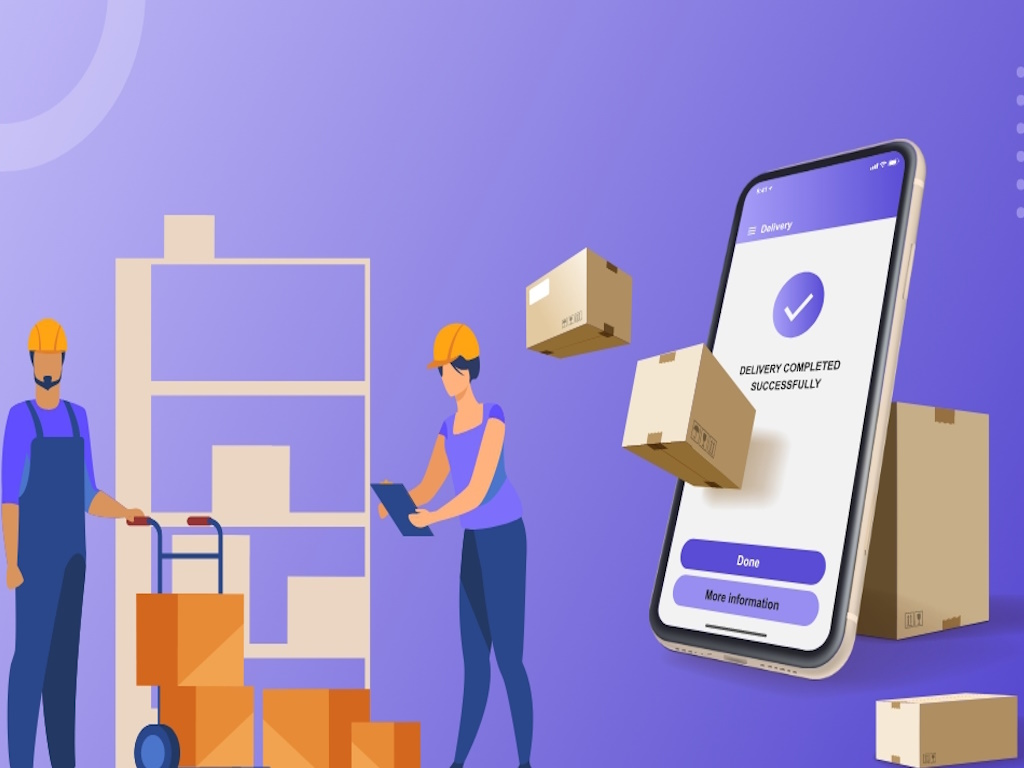
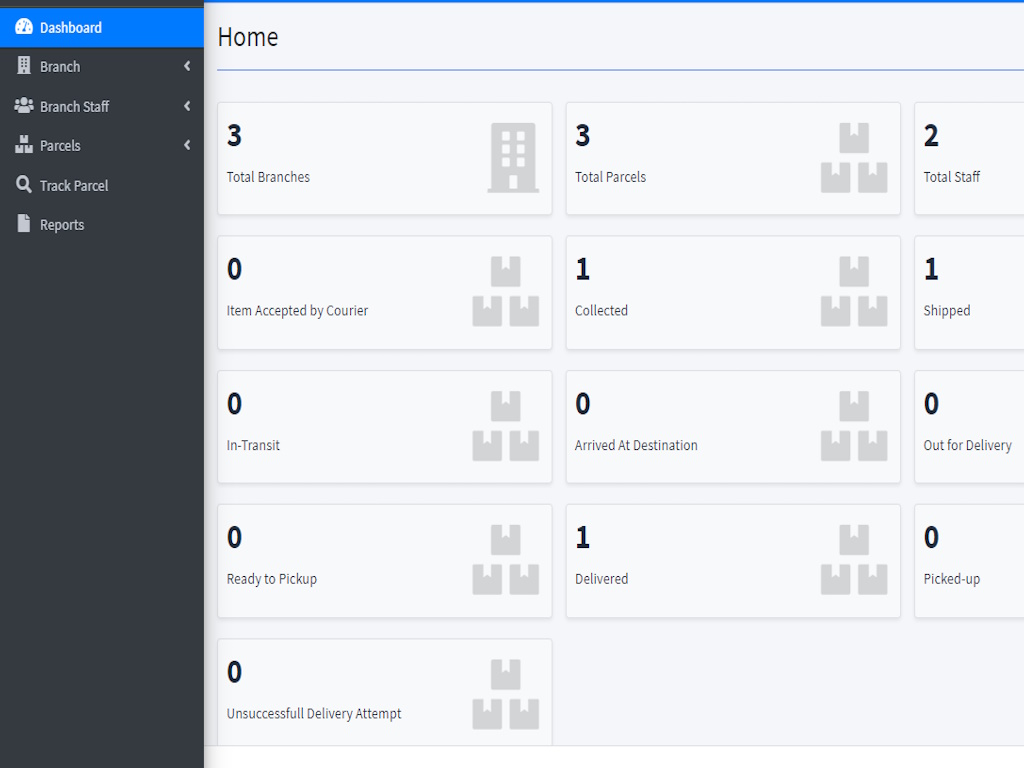
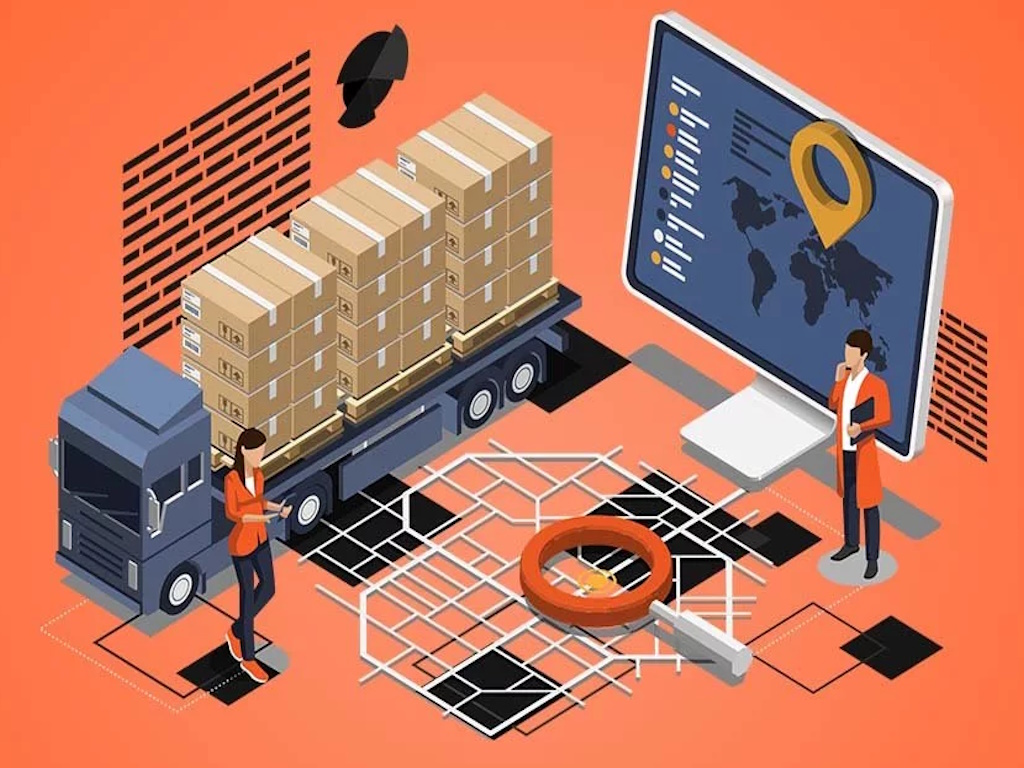
We have an expertly designed automated software system to track goods in realtime and process billing so that there won't be any errors like goods being double billed.
In the logistics industry, real-time tracking and billing software technology has become indispensable, transforming how businesses manage their operations and interact with customers. This technology addresses various challenges, including operational inefficiencies, lack of transparency, and complex billing processes, while offering significant benefits in terms of accuracy, customer satisfaction, and operational control.
Together, these technologies enable logistics providers to offer superior service, adapt to changing market demands, and maintain a competitive edge. By leveraging real-time tracking and billing software, businesses can achieve greater operational control, drive cost savings, and deliver a seamless customer experience. In the fast-paced world of logistics, these technological advancements are crucial for achieving operational excellence and sustaining long-term success.
Real-Time Tracking Technology
Real-time tracking technology is a critical component of modern logistics, enabling businesses to monitor the status and location of shipments throughout their journey. This technology leverages to provide continuous updates on the whereabouts of goods. The benefits of real-time tracking are manifold:
- Enhanced Visibility: Real-time tracking provides unparalleled visibility into the movement of shipments, allowing logistics providers and customers to monitor progress from dispatch to delivery. This visibility helps in anticipating potential delays, making timely adjustments, and managing customer expectations.
- Improved Efficiency: With access to real-time data, logistics companies can optimize routes and schedules, reducing transit times and fuel consumption. This not only improves operational efficiency but also contributes to cost savings.
- Proactive Problem Solving: Real-time tracking allows for the early detection of issues such as delays or deviations from planned routes. By identifying and addressing problems promptly, companies can mitigate risks and enhance service reliability.
- Customer Satisfaction: Providing customers with real-time updates on their shipments improves transparency and trust. Customers appreciate being informed about the status of their orders, which enhances their overall experience and satisfaction.
- Data-Driven Insights: Real-time tracking generates valuable data that can be analyzed to gain insights into shipping performance, identify trends, and make informed decisions. This data helps in refining logistics strategies and improving overall service quality.
Billing Software Technology
Billing software technology is equally transformative, addressing the complexities of managing and processing financial transactions in logistics. Advanced billing systems streamline the invoicing process, improve accuracy, and enhance financial management. Key features and benefits include:
- Automated Invoicing: Billing software automates the invoicing process, generating accurate invoices based on predefined rules and data inputs. Automation reduces the risk of human error, speeds up the billing cycle, and ensures timely payment collection.
- Dynamic Pricing Models: Modern billing systems support dynamic pricing models, allowing logistics providers to offer customized rates based on factors such as shipment size, distance, and service level. This flexibility enables businesses to cater to varying customer needs and optimize revenue.
- Integration with Tracking Systems: Advanced billing software integrates seamlessly with real-time tracking systems, ensuring that billing is based on accurate and up-to-date shipment information. This integration helps in aligning billing with actual service performance, reducing discrepancies and disputes.
- Transparent Reporting: Billing software provides detailed reports and analytics on financial transactions, helping businesses track revenue, manage costs, and identify trends. Transparent reporting supports better financial planning and decision-making.
- Customer Self-Service: Many modern billing systems offer self-service portals where customers can view and manage their invoices, track payments, and access account information. This self-service capability enhances customer convenience and reduces administrative workload.
- Compliance and Security: Advanced billing software ensures compliance with regulatory requirements and industry standards. It also incorporates robust security measures to protect sensitive financial data, safeguarding against fraud and unauthorized access.